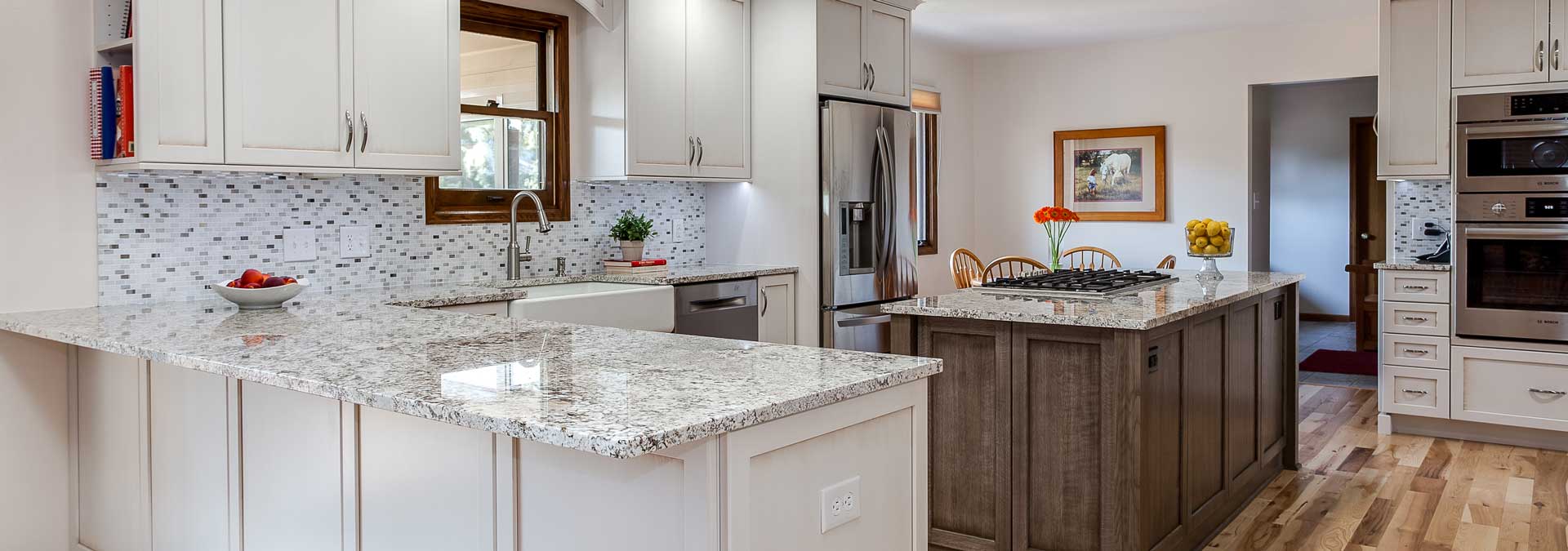

Renovating the kitchen in a historic home is about finding the right balance between preservation and modernization. The goal is to create a kitchen that works for the way you live today while maintaining the architectural details, materials, and character that make the home unique.
For homeowners throughout Jacksonville, Orange Park, Fleming Island, Mandarin, St. Johns, Ortega, and surrounding Northeast Florida communities, that balance can be especially important. Many established neighborhoods feature homes with distinctive architecture that deserves more than a one-size-fits-all kitchen remodel.
A successful historic home kitchen renovation should feel like the kitchen has evolved with the house, not like an entirely new room was dropped into the middle of it.
Can You Modernize a Historic Kitchen Without Losing Its Character?
Yes. A historic kitchen can be completely updated for modern living while maintaining the character of the original home.
The key is to identify which architectural elements define the house and use them to guide the renovation. Original trim, flooring, windows, brickwork, built-ins, ceiling details, doorways, and other features can influence everything from the new cabinetry and hardware to the kitchen layout.
Modern conveniences such as improved storage, new appliances, upgraded lighting, better ventilation, and updated electrical systems can then be incorporated around those features.
The result is a kitchen that offers modern functionality without erasing the home’s history.

Start With the Architecture of the Home
Before choosing cabinets, countertops, or appliances, look at the architectural details already present throughout the house.
Historic homes often have design elements that provide a natural starting point for the new kitchen. These may include:
- Original wood trim and molding
- Hardwood flooring
- Traditional window and door profiles
- Exposed brick
- Built-in cabinetry
- Decorative ceiling details
- Arched openings
- Period-specific hardware
Rather than designing the kitchen as an isolated space, consider how it will transition into the surrounding rooms.
This is especially important in established Jacksonville-area neighborhoods where homes may feature architectural influences ranging from traditional and Craftsman designs to Mediterranean, Colonial, and mid-century styles.
A thoughtful kitchen design-build renovation takes the entire home into consideration.
Choose Kitchen Cabinets That Complement the Home
Cabinetry has one of the largest visual impacts on any kitchen renovation.
In a historic home, cabinet style can help determine whether the renovated kitchen feels connected to the rest of the property or noticeably out of place.
You do not need to recreate cabinetry from the exact year the home was built. Instead, look for details that reference traditional craftsmanship while still providing modern functionality.
Depending on the style of the home, options may include:
- Shaker-style cabinetry
- Inset cabinet doors
- Glass-front cabinets
- Furniture-style cabinet details
- Decorative end panels
- Traditional crown molding
- Natural wood cabinetry
- Custom storage solutions
Color can also help connect new cabinetry to an older home. Warm whites, creams, natural woods, muted greens, navy blues, and other timeless colors can create a space that feels fresh without becoming disconnected from the home’s history. For homeowners considering a luxury kitchen renovation in Jacksonville or Orange Park, custom or semi-custom cabinetry can also make it easier to work around unusual dimensions and original architectural features.
Integrate Modern Appliances Without Letting Them Take Over
Modern appliances are one of the biggest advantages of renovating an older kitchen, but they do not necessarily need to dominate the design.
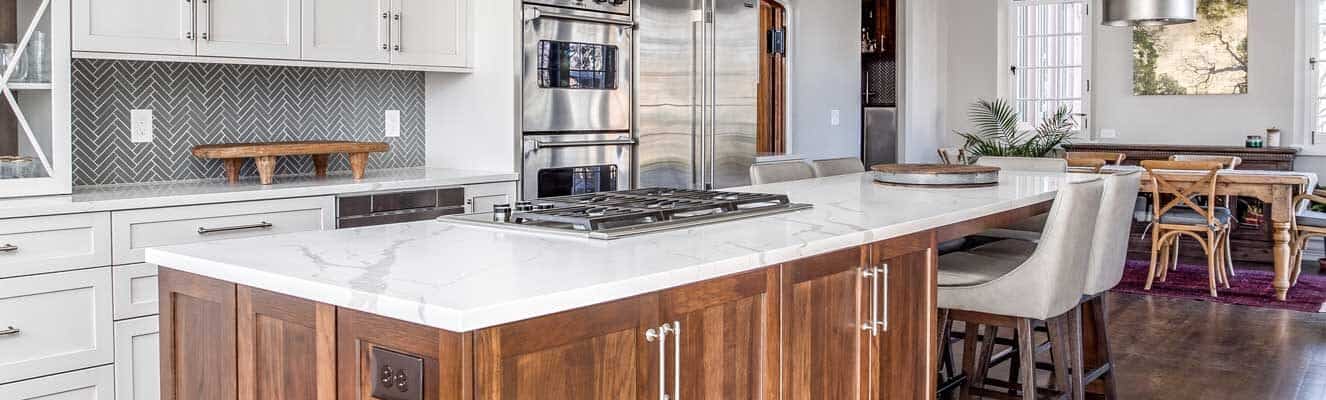
Panel-ready refrigerators and dishwashers can blend into surrounding cabinetry, while appliance garages can keep coffee makers, mixers, and other countertop appliances hidden when they are not being used.
A modern range can also be incorporated beneath a custom hood designed to complement the architecture of the home.
Other modern kitchen upgrades can remain almost invisible while making a major difference in everyday use.
These can include:
- Soft-close cabinetry
- Pull-out cabinet storage
- Deep drawers
- Built-in waste and recycling centers
- Under-cabinet lighting
- Integrated charging stations
- Improved ventilation
- Updated electrical systems
- Modern plumbing fixtures
The technology is there when you need it without becoming the defining feature of the room.
Be Careful With Open-Concept Kitchen Remodeling
One of the most important decisions in a historic home renovation is whether to remove walls.
Open-concept kitchen designs remain popular, but completely opening an older home is not always the best solution.
Historic houses were often intentionally designed with defined rooms. Those proportions and transitions may be an important part of the home’s architectural character.
Instead of immediately removing walls, consider alternatives such as widening an existing doorway, creating a large cased opening, improving sightlines, or making smaller changes to the kitchen footprint.
These options can create better flow while maintaining some of the architectural definition of the original home.
For historic and established homes in areas such as Ortega, San Jose, Mandarin, and other Jacksonville neighborhoods, preserving those transitions can make a renovated kitchen feel much more authentic to the property.
The best kitchen layout is not necessarily the most open one. It is the layout that makes the home function better while respecting what made it special in the first place.

Mix Historic Details With Modern Kitchen Materials
Renovating a historic kitchen does not mean every material has to look old.
Combining traditional architectural elements with updated materials can create a kitchen that feels timeless rather than themed.
For example, traditional cabinetry might be paired with quartz or natural stone countertops. A clean backsplash can balance more detailed molding. A professional-style range can sit beneath a custom hood with classic millwork.
Hardware and plumbing fixtures also offer an opportunity to bridge old and new.
Finishes such as polished nickel, aged brass, brushed metal, and other timeless selections can provide character while still feeling appropriate in a modern luxury kitchen.
If original materials remain in good condition, consider whether they can be restored instead of replaced.
Original hardwood flooring may be refinished. Brick can become a feature. Existing woodwork might be restored and incorporated into the new design.
These authentic elements help give a renovated kitchen a sense of history that cannot always be recreated with new materials.
Use Lighting to Modernize the Space
Historic homes were not designed around the amount of lighting we expect in a modern kitchen.
A renovation provides an opportunity to introduce layered lighting that makes the kitchen safer, brighter, and easier to use.
A well-planned kitchen lighting design may combine:
- General ceiling lighting
- Under-cabinet task lighting
- Pendant lighting
- Decorative fixtures
- Interior cabinet lighting
- Natural light
Decorative lighting is also an excellent way to reference the style of the home.
Vintage-inspired pendants, schoolhouse fixtures, traditional chandeliers, or updated interpretations of period lighting can add personality without making the kitchen feel dated.
Preserve the Imperfections That Give the Home Character
Older homes are rarely perfect.
Walls may not be completely straight. Floors can vary slightly from one area to another. Windows, doorways, and architectural details may not line up the way they would in a newly constructed home.
Those characteristics are often part of the home’s charm.
Instead of trying to force the property into the standards of new construction, good kitchen design works around those details.
This is where professional space planning and customized cabinetry become especially valuable.
A carefully planned kitchen installation can accommodate unusual dimensions while maintaining important architectural features and maximizing the usable space.
Should You Restore or Replace Original Kitchen Features?
Whenever possible, start by determining whether an original feature can be restored before deciding to remove it.
Elements worth evaluating may include hardwood floors, millwork, doors, windows, built-ins, exposed brick, hardware, and other architectural details.
Not every feature will be practical or safe to preserve. Plumbing, electrical systems, deteriorated materials, and outdated appliances may need to be completely replaced.
The goal is not to preserve everything.
It is to preserve the elements that give the home its identity while updating the parts that prevent the kitchen from functioning properly.
Modern Function Does Not Require Modern Style
A historic home can have all the convenience of a newly built luxury kitchen without looking ultra-modern.
Better storage, improved lighting, high-performance appliances, upgraded countertops, customized cabinetry, and a more functional layout can all be incorporated into a traditional design.
In fact, many of the best historic kitchen renovations are difficult to date.
They feel appropriate to the home while still offering everything homeowners expect from a contemporary kitchen.
That timeless quality should be the goal.
Historic Home Kitchen Remodeling in Jacksonville and Orange Park
Renovating an older home requires a different approach than designing a kitchen for new construction.
The existing architecture, proportions, materials, and history of the property all need to be considered alongside modern storage, appliances, lighting, and everyday functionality.
At Island Kitchen & Bath Designs, we help homeowners throughout Jacksonville, Orange Park, Fleming Island, Mandarin, St. Johns, Julington Creek, San Jose, Ortega, and surrounding Northeast Florida communities create kitchens that bring together thoughtful design, quality materials, professional installation, and modern functionality.
Whether you are planning a complete kitchen renovation, updating cabinetry and countertops, or looking for a design-build remodeling team, the goal should be a space that feels new to you while still feeling completely at home.
Frequently Asked Questions About Renovating a Historic Kitchen
How do you modernize a kitchen in an old house?
Modernize the functional elements first. Improve the layout, storage, lighting, electrical system, plumbing, appliances, and ventilation while using cabinetry, finishes, and architectural details that complement the home’s original style.
Should you keep original features during a historic home renovation?
When they are structurally sound and practical to preserve, original floors, trim, windows, brick, built-ins, doors, and other architectural details can add tremendous character to the finished renovation. Features that are damaged, unsafe, or no longer functional may need to be replaced.
What cabinet style works best in a historic home?
There is no single cabinet style that works for every historic property. Shaker, inset, furniture-style, glass-front, and traditionally detailed cabinetry can all work well depending on the architecture of the house.
Can you put modern appliances in a historic kitchen?
Yes. Modern appliances can be integrated into traditional kitchen designs using panel-ready appliances, built-in configurations, cabinetry panels, appliance garages, and custom hoods.
Should you open up the kitchen in an older home?
Not necessarily. While removing walls may improve flow, historic homes often rely on defined rooms as part of their architecture. Widening doorways or creating larger cased openings can sometimes improve connectivity without completely changing the character of the house.
Who renovates historic kitchens in Jacksonville, Florida?
Island Kitchen & Bath Designs provides kitchen design, renovation, cabinetry, and installation services for homeowners throughout Jacksonville, Orange Park, Fleming Island, Mandarin, St. Johns, and surrounding Northeast Florida communities.